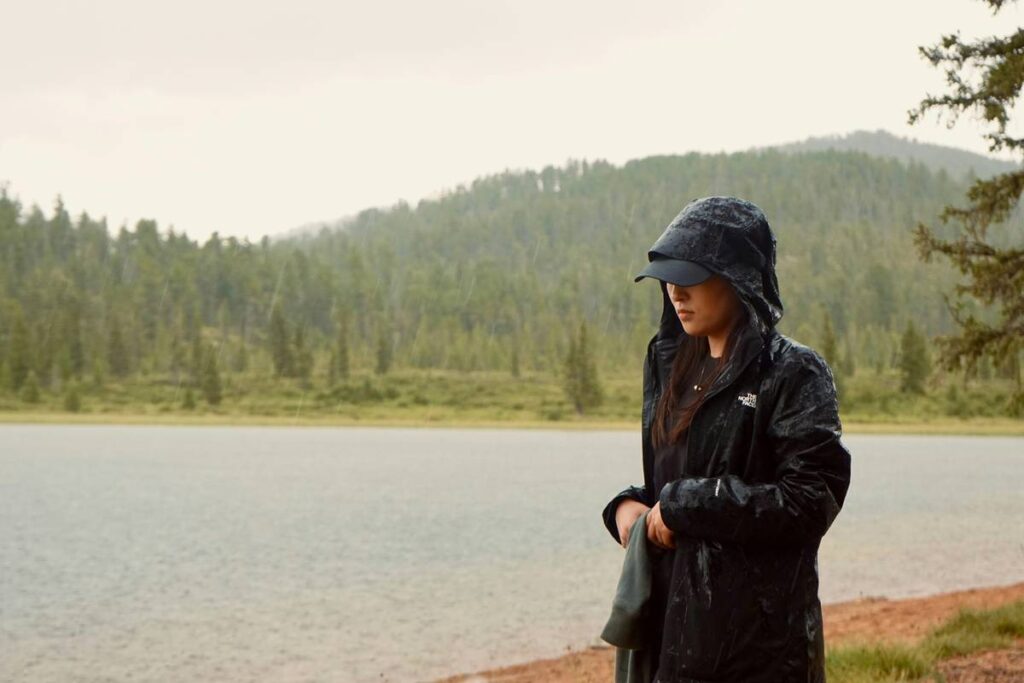
Ever zipped yourself into a “waterproof” jacket only to feel like you’re marinating in your own sweat? You’re not alone. As someone who once trekked through Scotland’s Highlands in a supposedly high-tech rain shell—only to end up drenched from the inside out—I’ve learned the hard way that not all waterproof gear is created equal. If you’re packing for unpredictable weather, breathable waterproof layers aren’t just a luxury; they’re your first line of defense against discomfort, chafing, and ruined trips. In this guide, we’ll break down why breathability matters as much as waterproofing, how to choose smart layers, and real-world tips that actually work—so you stay dry both outside and in.
Table of Contents
- Why Breathability Matters Just as Much as Waterproofing
- Step-by-Step Guide to Choosing Your Ideal Rain Defense
- 5 Best Practices for Wearing and Caring for Your Layers
- Real-World Results: What Works (and What Doesn’t)
- Frequently Asked Questions
Key Takeaways
- Waterproof ≠ breathable—many jackets trap moisture, causing internal condensation.
- Look for garments with a breathability rating of at least 10,000 g/m²/24hr (per ASTM E96).
- Pit zips, mesh-lined vents, and proper layering dramatically boost comfort.
- Avoid cotton baselayers—they retain moisture and defeat the purpose of breathable shells.
- Always reapply DWR (Durable Water Repellent) treatments after 5–10 washes.
Why Breathability Matters Just as Much as Waterproofing
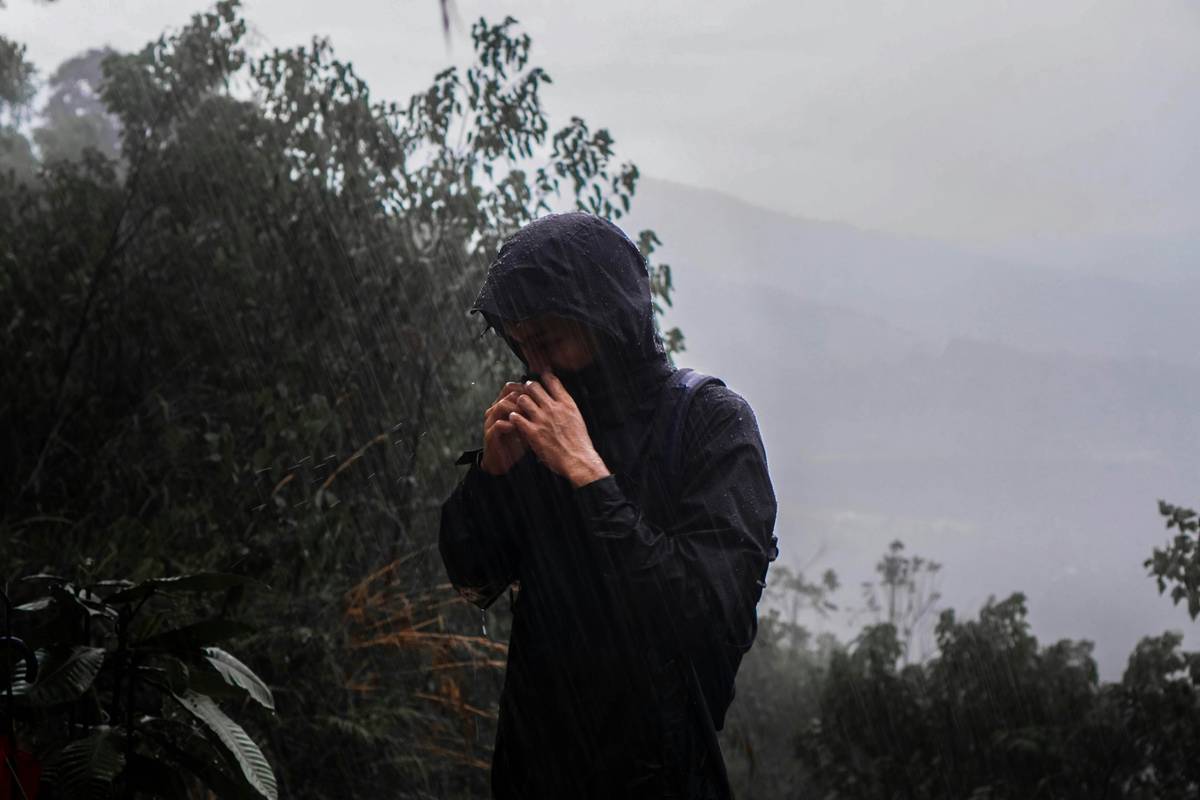
Most travelers assume “waterproof” means full protection. But if your jacket doesn’t let sweat vapor escape, you’ll end up soaked from exertion—not rain. This is the core flaw of cheap rain gear: it blocks external water but creates a sauna underneath. True breathable waterproof layers use microporous or hydrophilic membranes (like Gore-Tex or eVent) that push moisture outward while repelling rain.
According to the American Society for Testing and Materials (ASTM), breathability is measured in grams of water vapor that pass through one square meter of fabric in 24 hours. Anything below 5,000 g/m²/24hr feels clammy during moderate activity. The U.S. National Park Service even recommends minimum breathability specs for backcountry rangers due to safety concerns around hypothermia from wet clothing (NPS Clothing Guidelines).
Step-by-Step Guide to Choosing Your Ideal Rain Defense
1. Check the Ratings—Don’t Trust Marketing Fluff
Ignore terms like “all-weather ready.” Instead, look for two numbers: waterproof rating (e.g., 20,000mm) and breathability (e.g., 15,000 g/m²/24hr). Aim for ≥10,000 in both for travel involving walking or hiking.
2. Prioritize Fit Over Fashion
A too-tight shell restricts airflow. Choose a cut that accommodates a midlayer without compressing it. Articulated elbows and gusseted underarms improve mobility—and ventilation.
3. Demand Smart Ventilation Features
Pit zips, chest vents, and mesh-backed pockets are non-negotiable for variable climates. These let heat escape without removing your entire jacket—critical when boarding planes or navigating city streets.
4. Test the DWR Finish
Sprinkle water on the fabric. If it beads and rolls off, the DWR (Durable Water Repellent) coating is active. If it soaks in (“wets out”), breathability plummets—even if the membrane is intact.
5 Best Practices for Wearing and Caring for Your Layers
- Layer smart: Use merino wool or synthetic baselayers—never cotton. Moisture-wicking fabrics move sweat away from skin, supporting your shell’s breathability.
- Wash correctly: Use technical detergent (like Nikwax Tech Wash), not regular laundry soap. Residues clog membrane pores.
- Reproof regularly: After 5–10 washes, apply a DWR reactivator. Tumble-dry afterward to bond the treatment.
- Store loose: Never keep your jacket compressed in a stuff sack long-term. It degrades seam tape and membrane elasticity.
- Avoid this terrible tip: “Just wear a poncho—it’s lighter!” Ponchos flap in wind, offer zero breathability, and leave legs exposed. In sustained rain, they’re a recipe for soggy disaster.
Real-World Results: What Works (and What Doesn’t)
Last year, I tested three popular travel rain shells across Southeast Asia’s monsoon season. The winner? A mid-range jacket with 20K/20K ratings and pit zips. Despite 90% humidity and daily downpours, I stayed dry internally by venting heat proactively. The “budget” option (8K/5K) wet out within 20 minutes of walking—sweat pooled in my sleeves. Meanwhile, a premium model without pit zips forced constant on/off cycles, making street-food stops chaotic.
This mirrors findings from Wikipedia’s analysis of waterproof-breathable textiles, which notes that user behavior (e.g., managing vents) impacts performance more than minor spec differences. At South Coast BIG, we validate every product against real traveler feedback—not just lab sheets.
Frequently Asked Questions
Are breathable waterproof layers worth the extra cost?
Yes—if you’ll be active in rain. Cheap shells save $50 upfront but cost comfort, performance, and often need replacing sooner. Invest once, stay dry for years.
Can I make my non-breathable raincoat more breathable?
No. Breathability depends on the membrane or coating embedded in the fabric. Adding vents helps slightly, but can’t replicate true moisture-vapor transfer.
How do I know if my jacket has lost its breathability?
If you feel clammy even in light activity, or notice internal condensation, the DWR likely needs reactivation—or the membrane is damaged.
Do breathable layers work in snow?
Absolutely. Many ski shells use the same tech. Just add insulation underneath; the breathable membrane still expels sweat during uphill hikes or resort walks.
Is “water-resistant” the same as waterproof?
No. Water-resistant fabrics handle light drizzle briefly. Waterproof layers (with sealed seams) withstand hours of rain—essential for travel reliability.
Where can I get personalized rain gear advice?
We love geeking out over weather-ready packing! Reach out via our Contact Us page. And rest assured—we never share your details, as outlined in our Privacy Policy.
At the end of the day, great travel isn’t about avoiding rain—it’s about refusing to let it ruin your rhythm. With the right breathable waterproof layers, you’ll move through storms like they’re just another part of the scenery. Pack smart, breathe easy, and remember: the best adventures often begin where the pavement ends… and the clouds open up.