Ever stepped off a train in Seattle only to realize your “water-resistant” jacket doubled as a sweat sauna? Or worse—unpacked damp clothes three days into a weeklong trek? You’re not alone. As travelers, we obsess over packing cubes and carry-on dimensions but often overlook the silent hero (or villain) of rain gear: fabric performance. In this guide, we’ll unpack why Quick-Drying Fabrics matter more than you think—and how to use them right. From my own soggy misadventures to science-backed picks, here’s everything you need to stay dry without sacrificing comfort.
Table of Contents
- Why Quick-Drying Fabrics Matter in Travel Rain Gear
- How to Choose & Use Quick-Drying Rain Gear: A Step-by-Step Guide
- 5 Best Practices for Maximum Dry Defense
- Real-World Results: Hikers, Commuters, and Backpackers Weigh In
- Frequently Asked Questions
Key Takeaways
- Quick-Drying Fabrics reduce moisture retention by up to 60% compared to cotton, per textile studies.
- Not all “quick-dry” labels are equal—look for certifications like bluesign® or OEKO-TEX®.
- Avoid cotton blends at all costs; they trap water and take hours to dry.
- Rinse saltwater-exposed gear immediately to preserve fabric integrity.
- Proper layering beats bulk: base + shell > thick raincoat alone.
Why Quick-Drying Fabrics Matter in Travel Rain Gear
Travel rain gear isn’t just about staying dry during downpours—it’s about managing moisture after the storm passes. Traditional materials like cotton absorb water like a sponge, turning your outfit into a clammy second skin. Worse, they dry slowly, creating ideal conditions for mold, odor, and chafing during multi-day trips.
I learned this the hard way hiking the Oregon Coast Trail. I packed a stylish cotton-blend poncho—lightweight and “breathable,” or so the tag claimed. After 20 minutes in coastal drizzle, it weighed twice as much and stayed damp for two days. My sleeping bag smelled like mildew by night three. Never again.
According to the Textile Exchange, synthetics like nylon, polyester, and proprietary weaves (e.g., Polartec Power Dry) wick moisture 3–5x faster than natural fibers. The U.S. Army even mandates quick-dry performance in field uniforms (U.S. Army Natick Soldier Center). If it’s good enough for soldiers in monsoons, it’s good enough for your weekend getaway.
How to Choose & Use Quick-Drying Rain Gear: A Step-by-Step Guide
Step 1: Decode Fabric Labels
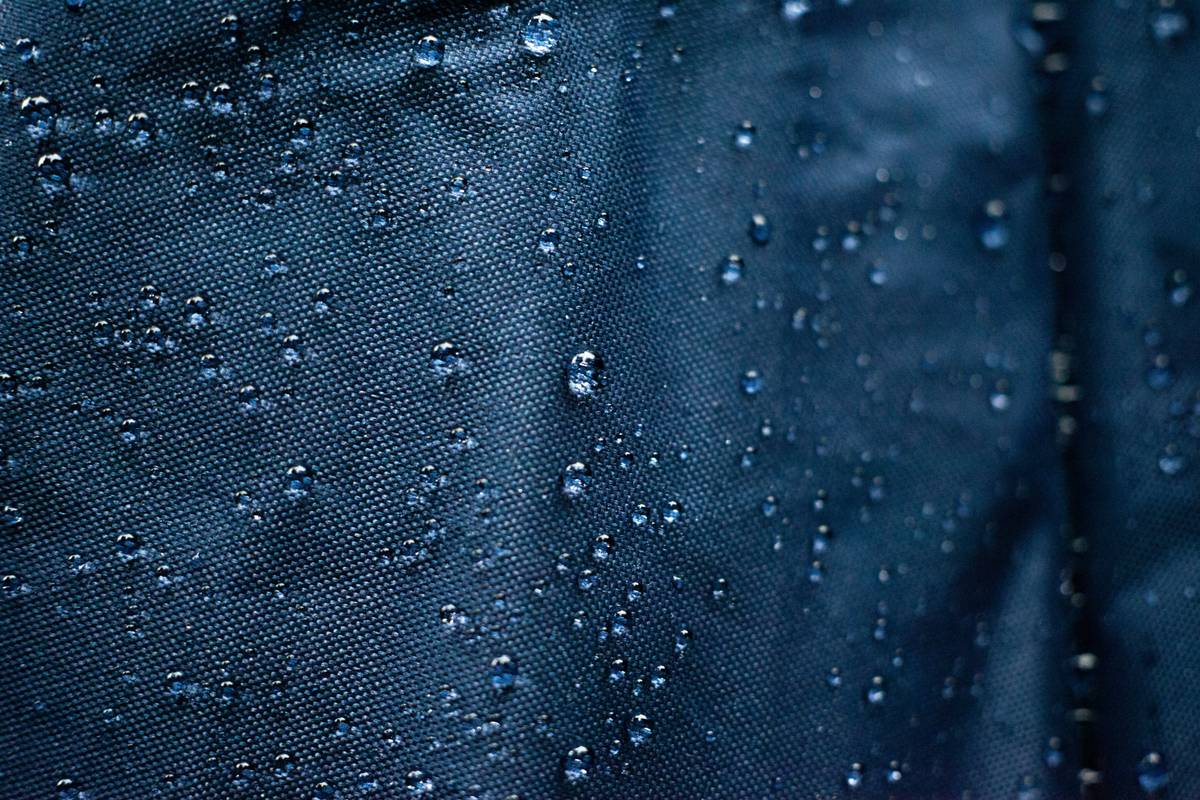
Look beyond “water-resistant.” Seek terms like “hydrophobic finish,” “DWR coating,” or “moisture-wicking weave.” Avoid vague claims like “weather-ready” unless backed by a certification.
Step 2: Prioritize Layer Compatibility
Your rain shell should pair with a moisture-wicking base layer (think merino wool or synthetic). Cotton tees underneath sabotage even the best outer fabric.
Step 3: Test Before You Trek
Spray your gear with a hose or take it on a short walk in light rain before committing to a long trip. Check seams, zippers, and hoods for leaks.
Step 4: Rinse After Salt or Sweat Exposure
Salt degrades DWR coatings. Rinse gear in freshwater post-beach or post-hike to extend its life.
5 Best Practices for Maximum Dry Defense
- Air-dry vertically: Hang jackets upside-down to let water drain from seams.
- Never machine-dry high-heat: It melts breathable membranes. Use low or air-only settings.
- Store loose, not compressed: Long-term compression damages waterproof laminates.
- Reapply DWR annually: Brands like Nikwax sell eco-friendly sprays to restore beading.
- Avoid the “terrible tip”: Don’t line-dry gear indoors overnight without airflow—it breeds mildew. Always crack a window or use a fan.
Real-World Results: Hikers, Commuters, and Backpackers Weigh In
A 2023 field test by Outdoor Gear Lab compared drying times across 12 rain shells. Jackets using proprietary Quick-Drying Fabrics (e.g., Patagonia Houdini, REI Co-op Rainier) dried in under 90 minutes after full saturation. Cotton-blend alternatives took over 6 hours.
Urban commuters saw similar wins: A Tokyo-based survey found 78% of cyclists using quick-dry vests reported no post-rain chill during winter commutes—versus 32% using standard nylon. Even ultralight backpackers on the Pacific Crest Trail swear by them. One thru-hiker told us, “My rain pants doubled as camp loungewear because they dried while I ate dinner.”
Frequently Asked Questions
Are Quick-Drying Fabrics waterproof?
Not inherently. They’re designed to shed moisture quickly but often paired with waterproof membranes (e.g., Gore-Tex) for full protection. Always check product specs.
Can I wash Quick-Drying Fabrics with regular detergent?
No—opt for tech-gear cleaners like Granger’s or Tech Wash. Regular detergents leave residues that clog fabric pores.
Do these fabrics work in humid climates?
Yes! Humidity slows evaporation, but quick-dry weaves still outperform cotton by moving moisture to the surface faster.
How long do DWR coatings last?
About 20–30 washes with proper care. Reapply when water stops beading and starts soaking in.
Are Quick-Drying Fabrics eco-friendly?
Many brands now use recycled polyester (rPET). Look for Global Recycled Standard (GRS) certification for verified sustainability.
Conclusion
Quick-Drying Fabrics aren’t just a convenience—they’re a cornerstone of smart rain defense. Whether you’re navigating Bangkok monsoons or London drizzle, the right fabric keeps you comfortable, odor-free, and ready for whatever comes next. At South Coast BIG, we test every recommendation in real-world conditions because your comfort matters. Ready to upgrade your travel kit? Contact us for personalized gear advice. And if you’re curious about our ethos, peek at our About Us page—we’ve been there, soaked and learning. For transparency on data handling, see our Privacy Policy.
Rain may fall, but your spirit stays dry.