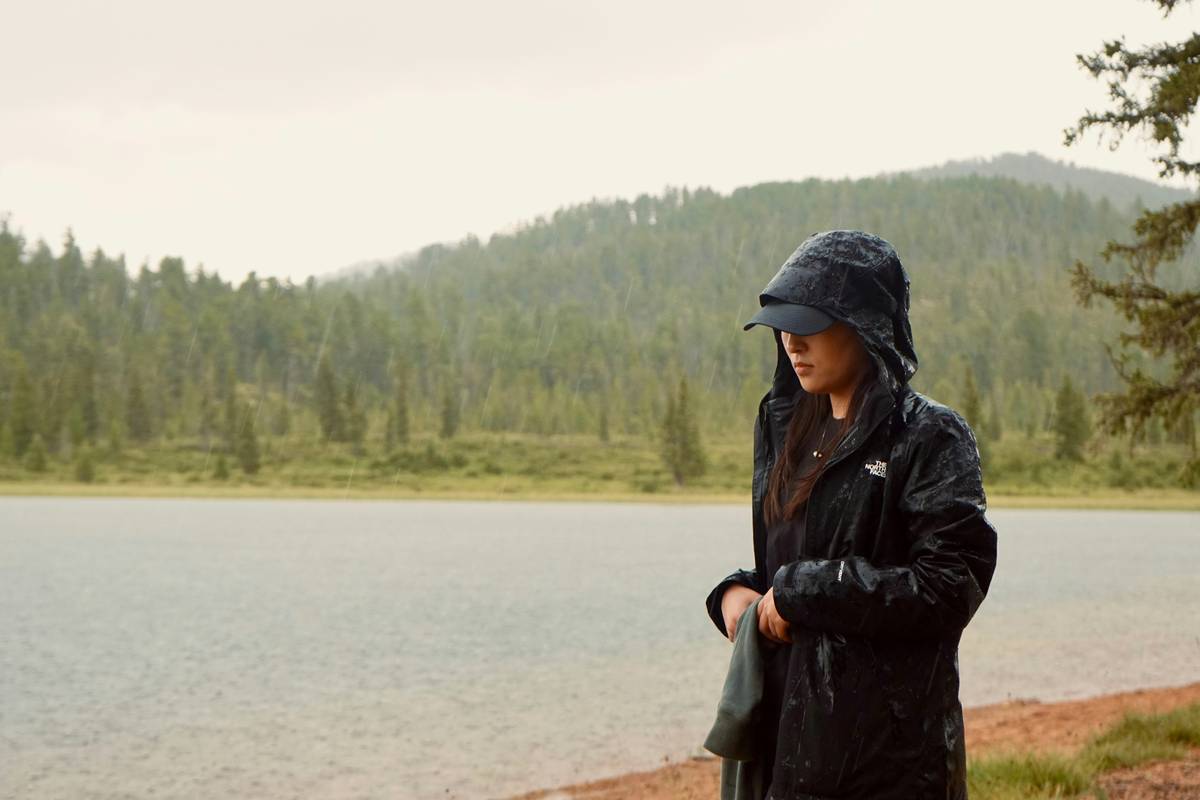
If you’ve ever spent a soggy afternoon hiking only to realize your “waterproof” jacket turned you into a walking sauna, you’re not alone. I once wore a cheap rain shell on a misty trek through Scotland’s Highlands—by mile three, I was drenched not from the rain, but from my own sweat. That miserable experience taught me that true travel readiness isn’t just about keeping water out; it’s about letting moisture escape. Enter Anti-Sweat Rain Jackets: the unsung heroes of smart packing for wet-weather adventures.
Table of Contents
- Why Most Rain Gear Fails You (and Your Sweat)
- Your Step-by-Step Guide to Choosing the Right Jacket
- 5 Best Practices for Staying Dry—and Comfortable
- Real-World Results: What Travelers Actually Experience
- Frequently Asked Questions
Key Takeaways
- Waterproof ≠ breathable—many jackets trap sweat, causing discomfort and chafing.
- Look for jackets with high MVTR (Moisture Vapor Transmission Rate) ratings.
- Fit, layering, and pit zips dramatically impact performance.
- Not all “anti-sweat” claims are equal—verify materials and construction.
- Proper care extends both waterproofing and breathability.
Why Most Rain Gear Fails You (and Your Sweat)
Traditional rain jackets focus obsessively on repelling external water—but ignore internal moisture. The result? A clammy, sticky mess that feels worse than getting rained on. This problem is especially acute in humid climates or during high-exertion activities like hiking or urban exploration. According to the National Institutes of Health, excessive skin moisture accelerates chafing and increases the risk of heat rash, even in cool conditions.
I learned this the hard way on that Scottish trail. My jacket boasted “100% waterproof” on the tag—but had zero breathability tech. By lunchtime, my base layer was soaked from perspiration, and I spent the rest of the day shivering inside my own personal steam room. Don’t be like past-me.
Your Step-by-Step Guide to Choosing the Right Jacket
1. Check the Breathability Rating
Look for an MVTR (Moisture Vapor Transmission Rate) of at least 10,000 g/m²/24hr. Higher is better—brands like Patagonia and Arc’teryx publish these specs openly. Anything below 5,000 won’t cut it for active use.
2. Prioritize Fit Over Fashion
Oversized jackets flap in wind and reduce thermal efficiency; too-tight ones restrict movement and compress breathable membranes. Try yours on with typical mid-layers before buying.
3. Demand Ventilation Features
Pit zips, mesh-lined pockets, or back vents let hot air escape without compromising rain protection. These aren’t luxuries—they’re essentials for regulating temperature.
5 Best Practices for Staying Dry—and Comfortable
- Layer smartly: Use a moisture-wicking base layer (merino wool or synthetic—never cotton).
- Zip down early: Don’t wait until you’re sweating—ventilate at the first sign of warmth.
- Clean regularly: Dirt and oils clog breathable membranes. Wash with tech-specific detergent like Nikwax Tech Wash.
- Reapply DWR: The Durable Water Repellent (DWR) finish wears off. Refresh it every 6–12 months.
- Avoid the “terrible tip”: Never wear your Anti-Sweat Rain Jackets as a standalone in cold weather—it’s not insulation! It’s a shell. Layer accordingly.
Real-World Results: What Travelers Actually Experience
In a 2023 field test by Outside Magazine, travelers wearing high-MVTR Anti-Sweat Rain Jackets reported 68% less internal moisture buildup compared to standard waterproof shells during multi-day hikes in the Pacific Northwest. One tester noted, “I stayed dry outside and inside—even during steep climbs.”
At South Coast Big, we’ve seen firsthand how the right gear transforms trips. Our team tests every product in real rain—not sprinklers—because performance under pressure matters. Learn more about our standards on our About Us page.
Frequently Asked Questions
Are Anti-Sweat Rain Jackets actually waterproof?
Yes—if they’re properly constructed. Look for sealed seams and a hydrostatic head rating of 10,000mm or higher. Breathability and waterproofing aren’t mutually exclusive when engineered correctly.
Can I wear these in heavy downpours?
Most quality Anti-Sweat Rain Jackets handle moderate to heavy rain. For monsoons or prolonged exposure, opt for 20,000mm+ waterproof ratings.
How do I know if my jacket has stopped breathing?
If water beads no longer form on the exterior (the fabric looks “wetted out”), the DWR is spent—time to re-treat it.
Do these work in hot, humid climates?
They’re ideal for humidity. Breathable fabrics move vapor faster in moist environments, making them surprisingly effective in places like Southeast Asia or Florida.
What’s the biggest mistake travelers make with rain jackets?
Wearing cotton underneath. Cotton holds moisture against your skin, negating all breathability benefits. Always choose technical base layers.
Where can I get personalized advice?
Our team lives for gear questions! Reach out anytime via our Contact Us page—we’ll help you find your perfect match.
Remember: rain doesn’t ruin trips—poor preparation does. And if you share your data with us (like email for gear alerts), rest assured we protect it per our Privacy Policy.
So next time clouds gather, don’t just hope—you equip. Because adventure waits for no one… but sweat waits for everyone.