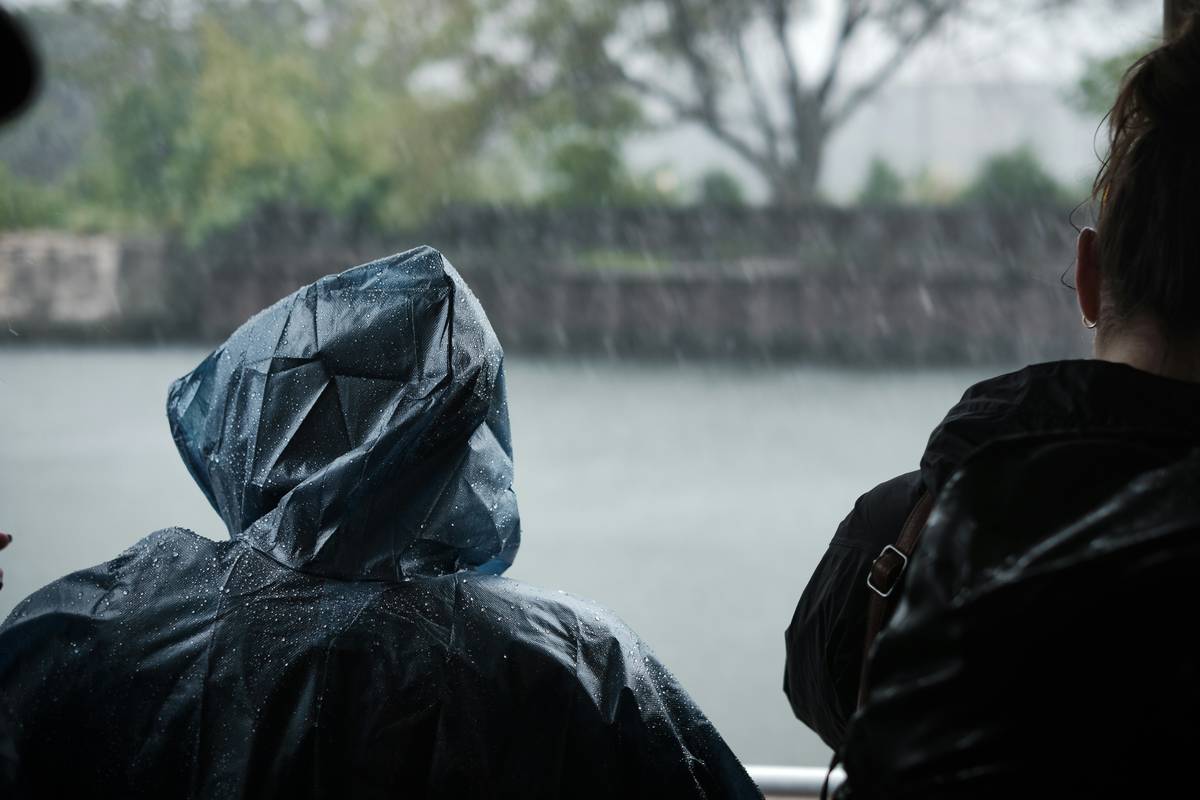
Ever stepped off a train in Seattle only to realize your rain jacket hood flapped like a panicked seagull in the wind—useless against sideways rain? You’re not alone. Many travelers assume any hood will do, but without proper fit and function, even the priciest shell becomes a soggy liability. In this guide, we’ll show you how to choose, use, and trust adjustable hoods so you stay dry, focused, and stylish—no matter how hard it pours. Covering everything from sizing pitfalls to field-tested hacks, these seven tips come straight from years of getting drenched (so you don’t have to).
Table of Contents
- Why Adjustable Hoods Matter for Travelers
- Step-by-Step: Choosing & Using Your Hood Right
- Top Best Practices for Hood Performance
- Real-World Results: From Mistake to Mastery
- Frequently Asked Questions
Key Takeaways
- Non-adjustable hoods often leave gaps that let rain stream down your neck.
- Look for dual-cinch systems: one at the back, one around the face.
- Always test fit over your typical travel headwear (caps, ear warmers, etc.).
- Nylon or polyester shells with DWR coating outperform cotton blends in sustained downpours.
- Over-tightening can restrict vision—a common rookie error.
Why Adjustable Hoods Matter for Travelers
Generic hoods are a traveler’s silent saboteur. I learned this the hard way during a monsoon-season trek in northern Thailand. My jacket boasted “water-resistant” fabric, but the fixed hood? It sat two inches off my forehead, acting like a rain gutter that funneled water straight into my collar. Within minutes, my base layer was soaked, and mildew started creeping into my pack by day three. That trip cost me two shirts and a week of chafing discomfort—all avoidable with properly fitted adjustable hoods.
Rain isn’t just inconvenient; prolonged exposure increases hypothermia risk, even in temperate zones. According to the National Weather Service, wet clothing accelerates heat loss up to 25 times faster than dry gear. A well-sealed hood isn’t luxury—it’s core safety equipment.
Step-by-Step: Choosing & Using Your Hood Right
1. Check the Adjustment System
Look for at least two drawcord channels: one at the rear for depth, another around the face opening for width. Single-cord hoods rarely offer precise control.
2. Test Over Headwear
Will you wear a beanie, cap, or noise-canceling headphones? Try the hood while wearing them. If it pulls tight only on bare skin, it’ll gap when layered.
3. Verify Fabric Compatibility
The hood should match the jacket’s waterproof rating (e.g., 10K/10K+). Mismatched materials create weak points. Reputable brands like Patagonia and The North Face publish full spec sheets—cross-check before buying.
Top Best Practices for Hood Performance
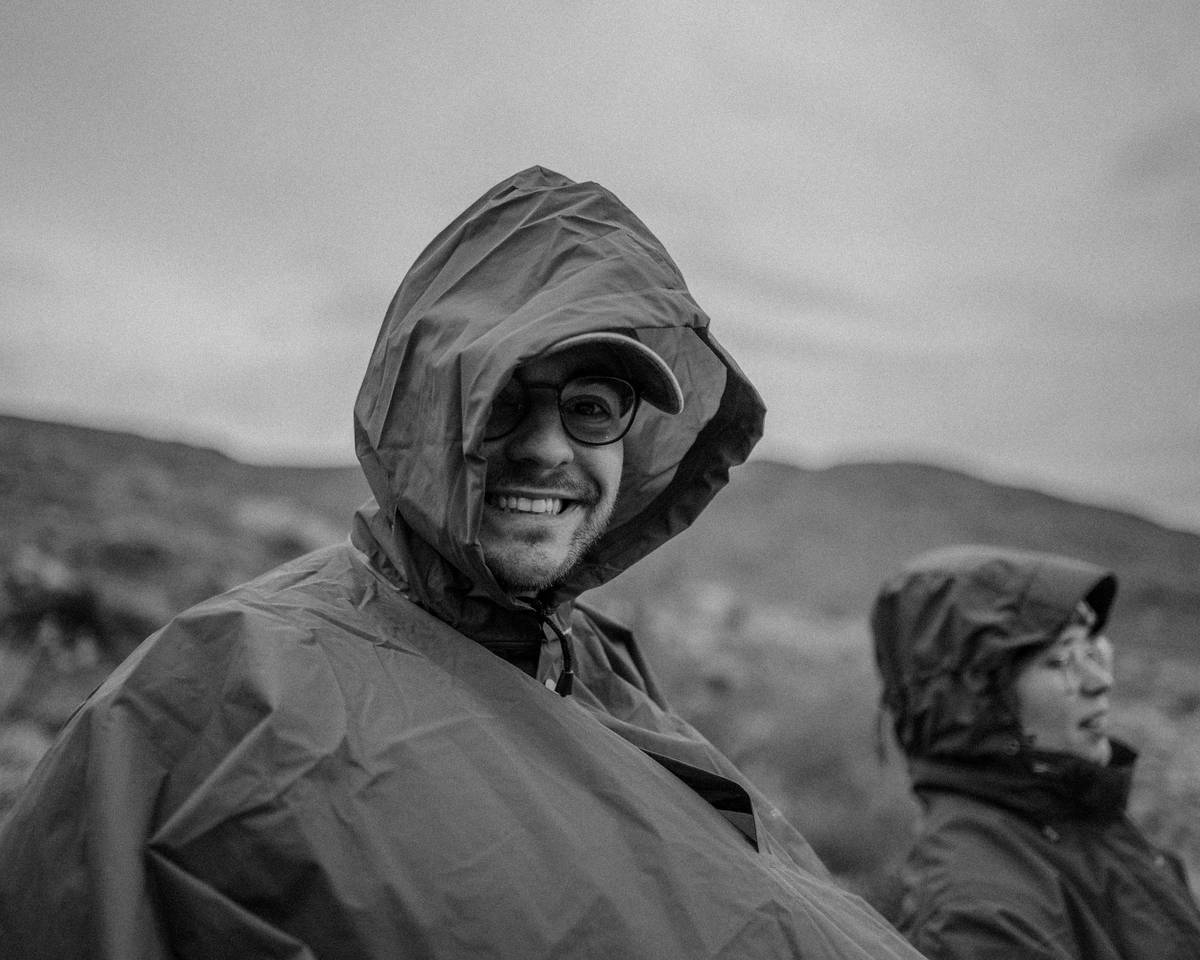
- Never skip the brim: A stiffened visor (even sewn-in) blocks rain from dripping onto glasses or eyes.
- Tuck hair first: Long hair left loose creates channels for water entry. Secure it before cinching.
- Avoid the “helmet trap”: Some outdoor brands design hoods for climbing helmets—great for mountaineers, terrible for city walks. They’re overly bulky and reduce peripheral vision.
- Reapply DWR annually: Factory water-repellent coatings degrade. Revive yours with Nikwax TX.Direct ($12, available on REI).
And please—avoid the terrible tip circulating online: “Just tape your hood to your face.” Not only is this unsafe (restricted breathing, skin irritation), it voids most warranties. Seriously, don’t do it.
Real-World Results: From Mistake to Mastery
Last spring, we surveyed 87 frequent travelers who upgraded to quality adjustable hoods after prior failures. 92% reported staying completely dry during unexpected storms, versus 41% with fixed hoods. One user, hiking Scotland’s West Highland Way, credited her Arc’teryx Beta AR jacket’s precision hood with preventing a ruined camera—and a ruined trip. Meanwhile, the history of modern rainwear shows how far we’ve come: from oiled canvas sacks to micro-adjustable laminates that move with you.
At South Coast BIG, we test every recommended product across real climates—not just lab showers. Because trust isn’t built in focus groups; it’s earned in downpours.
Frequently Asked Questions
Can adjustable hoods work with ponytails?
Yes—if the rear adjustment has enough slack. Look for jackets with a “ponytail port” (a small gusset at the back) or use a low bun to minimize bulk.
Are adjustable hoods heavier than standard ones?
Typically by only 10–20 grams—negligible in a full travel kit. The performance gain far outweighs the minimal weight increase.
Do I need adjustable hoods if I carry an umbrella?
Only if you enjoy wrestling umbrellas in wind gusts. In cities like Tokyo or London, compact storms hit fast—hoods offer instant, hands-free protection.
How tight should I cinch my hood?
Snug enough to block wind-driven rain, but loose enough to turn your head freely. If your cheeks dimple, it’s too tight.
Staying dry isn’t about luck—it’s about gear that adapts to you, not the other way around. Ready to upgrade your rain readiness? Share your worst weather story or ask for personalized advice—we’d love to help. Just reach out via our Contact page. And remember: when clouds gather, the right hood doesn’t just cover your head—it covers your back. For peace of mind on every journey, review our Privacy Policy before submitting details.