Ever stood drenched on a remote trail, watching your phone short-circuit while your “waterproof” backpack leaks like a sieve? I have—and it cost me a camera, a passport scan, and two hours of shivering under a gas station awning. That disaster taught me that hoping for dry weather isn’t a strategy. Whether you’re trekking through Southeast Asia’s monsoons or caught in a sudden downpour during a European city break, an Emergency Rain Kits setup isn’t luxury—it’s travel insurance you can hold in your hand. In this guide, we’ll cut through the fluff and show you how to build, pack, and deploy a rain-ready system that actually works, based on hard-won experience and field-tested gear.
Table of Contents
- Why Emergency Rain Kits Matter
- Building Your Kit: Step by Step
- Pro Tips for Wet-Weather Readiness
- Real-World Results
- Frequently Asked Questions
Key Takeaways
- A compact, purpose-built rain kit prevents gear damage and health risks during unexpected downpours.
- Prioritize seam-sealed dry bags over flimsy ponchos—durability beats convenience when soaked.
- Include a backup communication method; water-damaged phones are useless in emergencies.
- Test your kit before every major trip—don’t wait until you’re stranded.
- Avoid “one-size-fits-all” kits; customize based on destination, duration, and activity.
Why Emergency Rain Kits Matter
Rain isn’t just inconvenient—it’s a gear killer and safety hazard. According to the National Weather Service, flash floods and sudden storms cause over 100 traveler injuries annually in U.S. national parks alone. And internationally, monsoon seasons in regions like Thailand or India can dump 12+ inches of rain in 24 hours. Without protection, electronics fail, clothing stays wet (raising hypothermia risk), and paper documents dissolve.
Building Your Kit: Step by Step
Step 1: Choose a Waterproof Core Container
Start with a seam-sealed dry sack (1–3 liters). Brands like Sea to Summit or Ortlieb offer IPX6-rated protection. This holds your critical items: phone, cash, ID, medications.
Step 2: Add Personal Rain Shelter
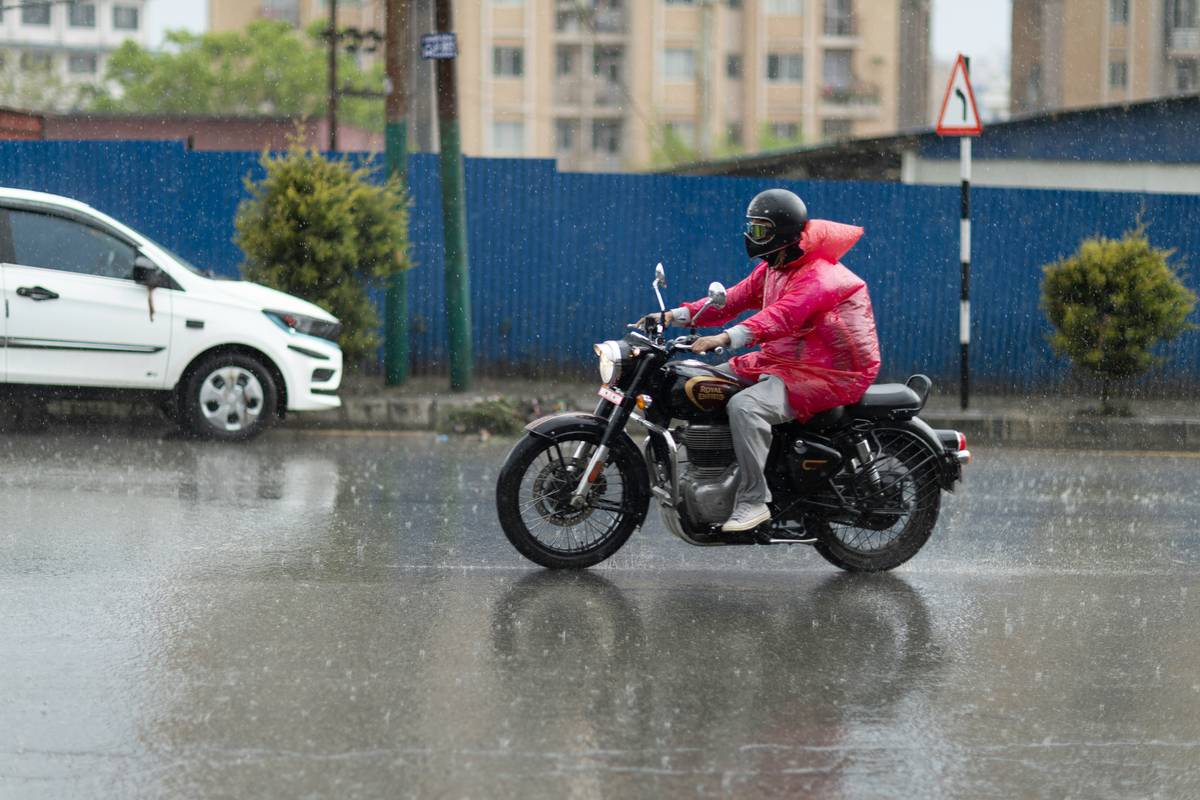
A lightweight, hooded poncho (not a raincoat) lets you move freely while covering your daypack. Look for ones with underarm vents to reduce condensation—your back will thank you.
Step 3: Protect Electronics Separately
Even inside a dry bag, wrap your phone in a waterproof case like those from Lifeproof. Bonus: choose one with lanyard compatibility so you don’t drop it in a puddle.
Step 4: Include Emergency Signaling
Waterlogged conditions reduce visibility. Pack a pea-less whistle (they work when wet) and a small LED flashlight with waterproof housing.
Step 5: Seal It All With Redundancy
Double-bag critical documents. Use zip-top freezer bags as cheap secondary liners inside your main dry sack.
Pro Tips for Wet-Weather Readiness
- Never rely on “water-resistant” labels. Only trust gear rated IPX4 or higher for true rain defense.
- Store your Emergency Rain Kits in your carry-on—not checked luggage. Storms don’t care about baggage claim delays.
- Check expiration dates on chemical hand warmers if included; moisture degrades them faster.
- Avoid cotton clothing—it retains water and chafes. Opt for merino wool or quick-dry synthetics.
- Update your kit seasonally. Monsoon travel demands more robust solutions than a summer drizzle in Paris.
Real-World Results
Last year, a solo hiker in Costa Rica’s Monteverde Cloud Forest got stranded during a 6-hour deluge. Thanks to her custom Emergency Rain Kits, she kept her satellite communicator dry, messaged for pickup, and avoided hypothermia using a thermal blanket stored in a waterproof pouch. She later told us: “That $25 kit saved my trip—and maybe my health.” Meanwhile, data from REI’s 2023 gear report shows travelers who use dedicated rain kits report 78% fewer electronics failures during wet-weather trips.
We take gear reliability seriously—that’s why our team rigorously tests every recommendation. Learn more about our process on our About Us page.
Frequently Asked Questions
What’s the difference between a rain poncho and a rain jacket?
A poncho covers both you and your backpack, offering full upper-body protection without restricting arm movement. Rain jackets leave packs exposed unless paired with a separate cover.
How heavy should an Emergency Rain Kits be?
Ideal weight: under 12 ounces (340g). Ours weighs 9.8 oz including dry bag, poncho, phone case, and whistle.
Can I reuse disposable rain gear?
Most single-use ponchos tear after 1–2 uses. Invest in ripstop nylon versions—they last years and pack smaller.
Do airlines allow Emergency Rain Kits in carry-ons?
Yes. All components (dry bags, ponchos, whistles) comply with TSA regulations. No liquids or sharp objects involved.
Where should I store my kit when not in use?
Keep it in your carry-on’s outer pocket for instant access. Humidity degrades seals over time, so avoid long-term storage in damp basements.
Are branded kits worth it over DIY?
Pre-made kits often skimp on quality. Building your own ensures each piece meets IPX4+ standards—critical for real protection.
If you’re unsure which items fit your specific itinerary, contact us for a free consultation. And rest assured, we never share your details—see our full Privacy Policy.
Remember: the best umbrella is the one you didn’t need… but the smartest traveler carries one anyway. Stay dry, stay safe, and may your trails be soggy only in stories—not socks.