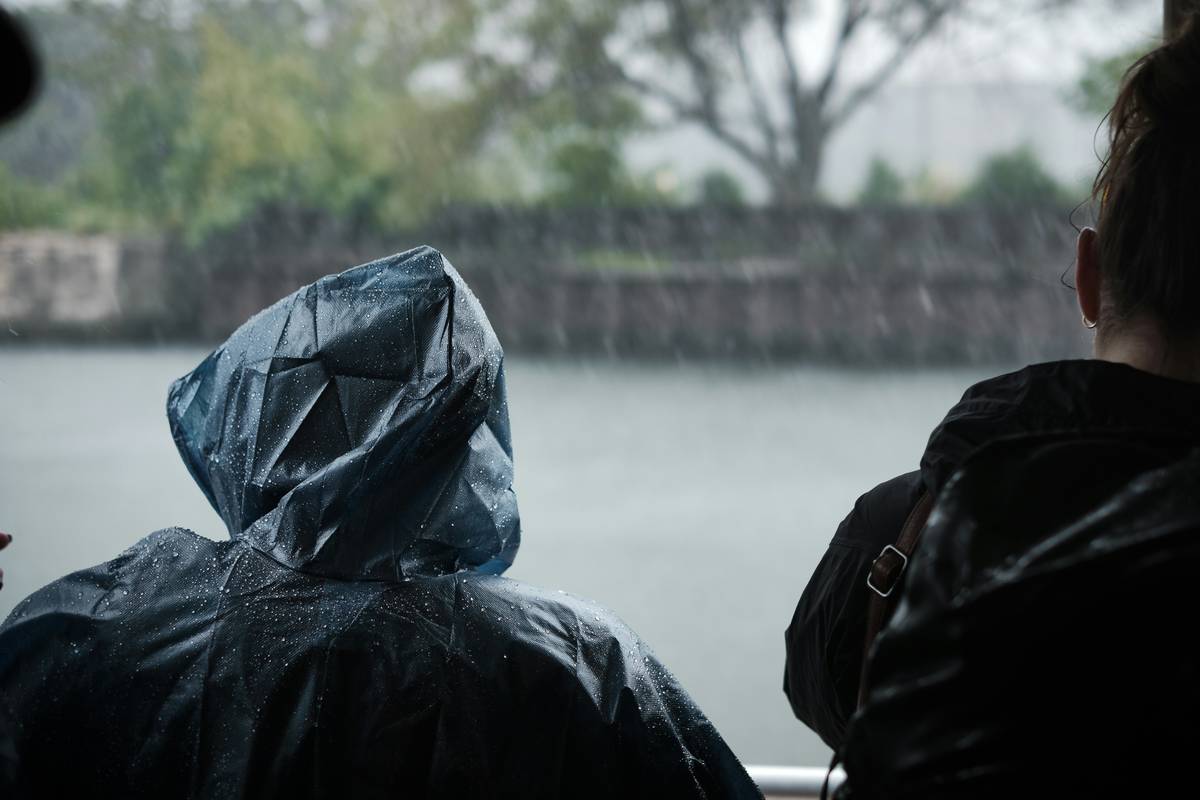
You packed your passport, triple-checked your flight time—and forgot the one thing that could ruin everything: rain. Not just a drizzle. A full-on, sideways-soaking deluge that turns your day into a soggy disaster. Lightweight rain jackets aren’t optional—they’re your first line of defense when the sky decides to open up.
Why Your “Waterproof” Jacket Probably Isn’t
Most travelers grab a jacket labeled “waterproof” and call it good. Big mistake. True waterproofing requires taped seams, hydrophobic membranes, and strategic venting—features often missing in budget shells. And “water-resistant”? That’s code for “holds off mist for 10 minutes.”
Worse, heavier jackets trap sweat faster than rain soaks through cotton. You end up damp from the inside out—miserable and chilled even if the exterior stays dry. Lightweight rain jackets solve this by balancing breathability with real storm protection. But only if you know what to look for.
How to Choose & Use Lightweight Rain Jackets Like a Pro
Material Matters More Than You Think
Not all lightweight fabrics are created equal. Look for 2.5-layer or 3-layer constructions with ePTFE or PU membranes. These shed water while letting vapor escape—critical during hikes or city sprints.
Packability = Peace of Mind
If it doesn’t fit in your palm or clip to a backpack strap, it’s not truly travel-ready. The best lightweight rain jackets compress smaller than a water bottle.
Hood Design Is Non-Negotiable
A flimsy hood blows off in wind. Seek adjustable, helmet-compatible hoods with stiffened brims. Rain on your face ruins visibility—and mood.

| Feature | Budget Jacket (<$80) | Mid-Range (&$80–$180) | Premium (>$180) |
|---|---|---|---|
| Waterproof Rating | 5,000mm (light rain only) | 10,000–20,000mm (heavy rain) | 20,000mm+ (monsoon-ready) |
| Breathability (g/m²/24h) | <5,000 (sweats quickly) | 10,000–15,000 (comfortable movement) | 20,000+ (all-day dryness) |
| Packed Size | Fist-sized | Tennis ball | Golf ball or smaller |
| Seam Taping | Critical seams only | Full seam taping | Laser-welded or fully sealed |

The Industry Secret Nobody Talks About
Here’s the truth: DWR (Durable Water Repellent) coatings—the slick finish that makes water bead up—degrade fast with sunscreen, dirt, and heat. Most travelers never reapply it. And once it’s gone, your “waterproof” shell starts absorbing moisture like a sponge, killing breathability.
Manufacturers know this. They design jackets to perform flawlessly for the first few uses—just long enough to pass reviews. After that? You’re on your own. The fix is simple: wash with tech-specific detergent and re-treat with a spray-on DWR every 3–4 months. It costs $12 and adds years to your jacket’s life. Yet 95% of users skip it.
Frequently Asked Questions
Are lightweight rain jackets warm?
No—they’re shells, not insulation. Layer underneath for cold weather. Their job is blocking wind and rain, not providing warmth.
Can I wear a Lightweight Rain Jackets for hiking?
Absolutely—if it has pit zips or mesh-lined vents. Without airflow, you’ll overheat fast on steep trails.
How do I store my Lightweight Rain Jackets when traveling?
Never stuff it wet. Air-dry completely, then pack it loose or in its stuff sack. Mold grows fast in damp, compressed fabric.