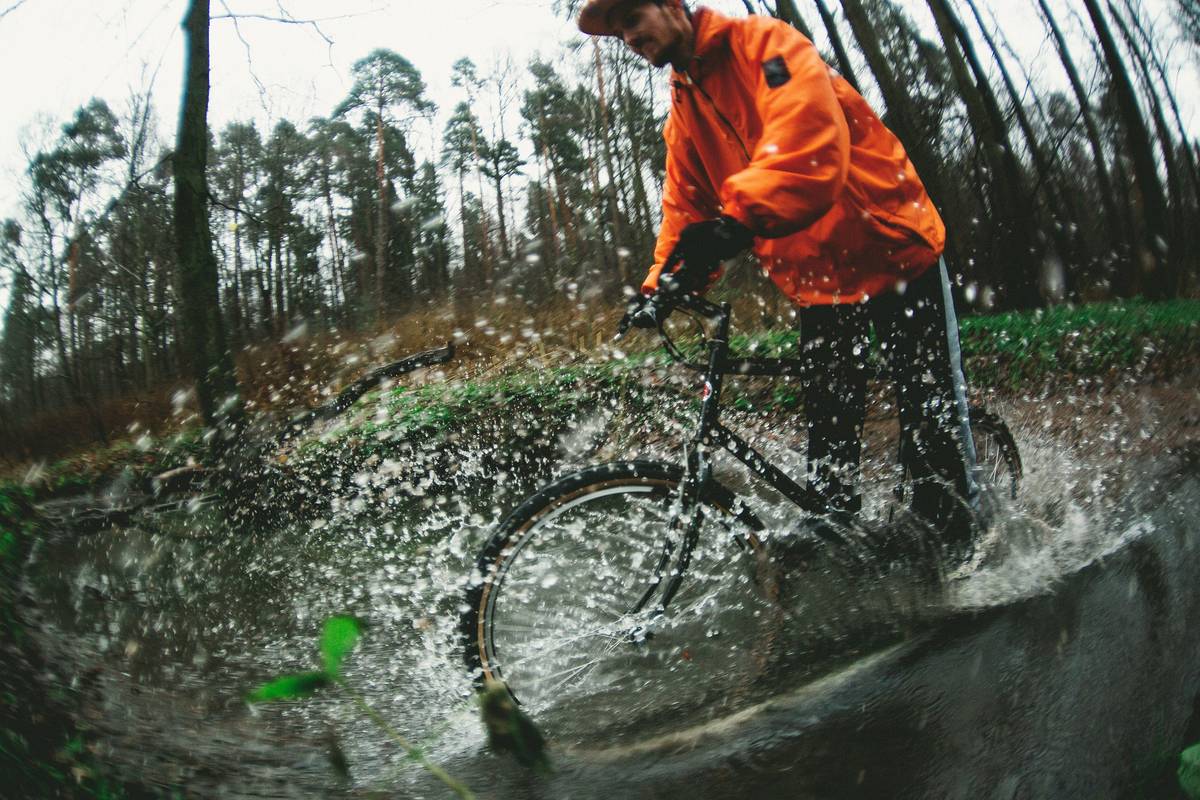
Riding in the rain shouldn’t feel like wrestling a wet trash bag. Yet most “waterproof” jackets turn your back into a sauna and your sleeves into flapping sails at 15 mph. You’re soaked from sweat before the first drop even hits. Cyclist-Friendly Rain Gear exists—but it’s buried under layers of marketing fluff and ill-fitting ponchos sold as “active wear.”
Why Your Current Rain Jacket Is Betraying You on Two Wheels
Standard rain gear is built for strolling—not sprinting, cornering, or climbing steep inclines. The cut hangs too long in the back, bunches at the waist, and blocks ventilation exactly where cyclists need it: underarms and spine.
And don’t get me started on hoods. Most won’t fit over a helmet without blinding you or flapping like a panicked pigeon. Waterproof ratings? Often inflated. A “10,000mm” shell might keep drizzle out—but once you’re hammering through wind-driven downpours, seams leak faster than a rookie’s excuses.
The math is simple: if your jacket doesn’t move *with* your body—and breathe *through* motion—it’s dead weight.
Cyclist-Friendly Rain Gear: How to Choose What Actually Works
Forget fashion. Prioritize function that syncs with pedal strokes, not photo ops. Here’s how:
Fit That Follows Form, Not Fashion
Look for dropped tails (longer in back), articulated elbows, and a snug-but-not-restrictive chest. Road cyclists need race cuts; commuters can opt for slightly relaxed fits—but never boxy.
Breathability > Absolute Waterproofness
A fully taped 2.5-layer membrane might sound elite—until you’re drenched in sweat after 10 minutes. Prioritize fabrics with high MVTR (Moisture Vapor Transmission Rate) >15,000 g/m²/24hr. Gore-Tex Shakedry? Yes. PVC poncho? Hard no.
Ventilation Where It Matters
Pit zips are non-negotiable. Mesh-lined rear vents? Even better. And sealed seams must cover shoulders and upper back—zones hit hardest by wheel spray and wind-driven rain.
| Rain Gear Type | Weight (grams) | Waterproof Rating (mm) | Breathability (MVTR) | Cyclist Suitability |
|---|---|---|---|---|
| Ultralight Packable Shell | 120–180 | 10,000–15,000 | 10,000–15,000 | ✅ Good for short commutes; poor for long rides |
| Race-Cut 3-Layer Jacket | 220–300 | 20,000+ | 20,000+ | ✅✅✅ Ideal for performance cycling |
| Commuter Poncho w/ Sleeves | 350–500 | 5,000–8,000 | <5,000 | ❌ Traps heat; catches wind; unsafe near wheels |
| Gore-Tex Shakedry Vest + Arm Warmers | 90–130 | 28,000 | 25,000+ | ✅✅ Smart modular approach for variable conditions |
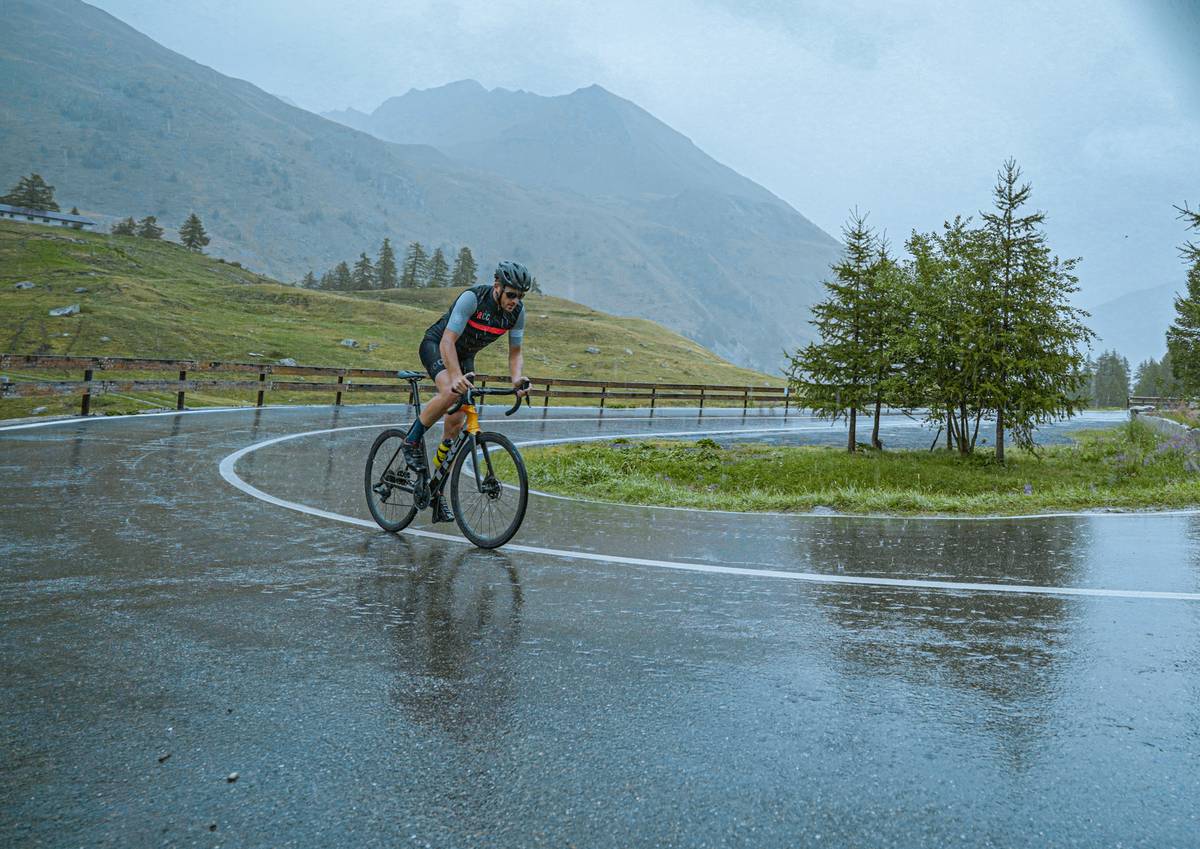
The Industry Secret: Rain Gear Isn’t Worn—It’s Layered
Here’s what brands won’t tell you: the best “rain jacket” often isn’t worn alone. Elite riders use a moisture-wicking base layer + lightweight windshell during light rain. Only when sustained downpour hits do they add a minimalist waterproof shell.
This modular system avoids overheating, packs smaller, and extends gear life. But retailers push full-coverage jackets because they’re easier to market—not because they work better.
Think about it: you wouldn’t wear winter boots in autumn drizzle. Why drown in a storm coat for a passing shower?
Frequently Asked Questions
Can I use hiking rain gear for cycling?
Technically yes—but expect reduced mobility, poor aerodynamics, and inadequate lower-back coverage. Hiking shells lack the dropped tail and articulated arms cyclists need.
How do I prevent fogging inside my glasses while wearing rain gear?
Use anti-fog lens spray. Ensure your jacket’s neck seal isn’t trapping exhaled air upward. A slightly open front zipper creates airflow that redirects breath downward.
Is expensive rain gear worth it for occasional riders?
If you ride more than once a month in wet climates—yes. Cheap gear fails at seams and breathability within weeks. Invest in one quality piece that lasts years, not three disposable ones.